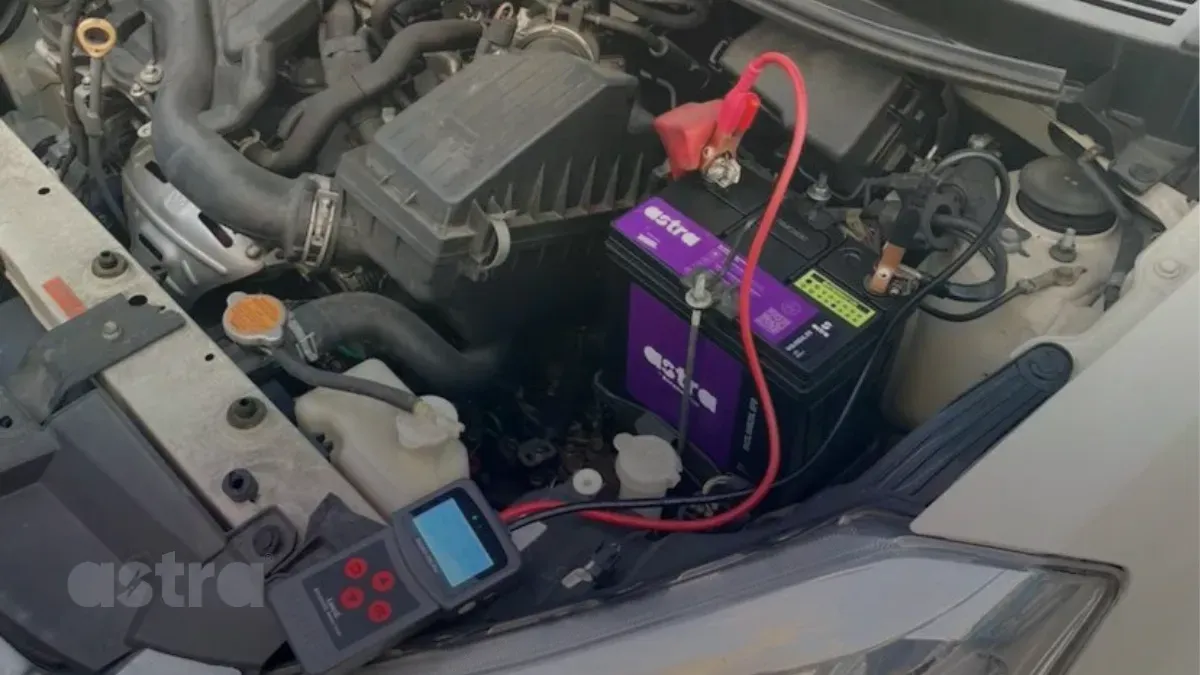
One of the most common questions among vehicle owners is "How long should a car battery normally last under daily use?" The answer is not always straightforward.
Under normal driving conditions, a quality car battery should last between 2 to 3 years, while premium batteries can sometimes exceed 4 years with proper maintenance. However, many drivers are surprised when their battery fails after only one year, while others continue using the same battery for several years without any issues.
How Long Should a Car Battery Normally Last?
The difference lies in several factors beyond just the battery itself. Whether you're a vehicle owner looking to avoid unexpected breakdowns or a battery merchant helping customers choose the right battery, understanding battery lifespan can prevent costly mistakes.
What Determines a Car Battery's Lifespan?
A car battery is constantly charging and discharging whenever the vehicle is driven.
Its lifespan depends on a combination of:
- Daily driving habits
- Vehicle electrical load
- Climate and operating temperature
- Battery quality
- Charging system health
- Maintenance practices
Why Do Some Batteries Fail After 1 Year While Others Last 2 to 3 Years or Longer?
Many people assume a battery that fails within one year is defective. While manufacturing defects occasionally happen, premature battery failure is more commonly caused by external factors.
1. Short Driving Distances
Frequent short trips are one of the biggest battery killers. Starting an engine requires a large amount of electrical power. If the vehicle is only driven for a few minutes afterward, the alternator may not have enough time to fully recharge the battery. Over weeks and months, the battery remains partially charged, accelerating internal sulphation and reducing capacity.
2. Extreme Heat
Hot climates accelerate chemical reactions inside the battery. While cold weather makes batteries work harder during engine starts, prolonged heat actually shortens battery life by increasing water loss and internal corrosion. Vehicles parked outdoors every day generally experience faster battery ageing than those kept under covered parking.
3. Modern Vehicles Use More Electricity
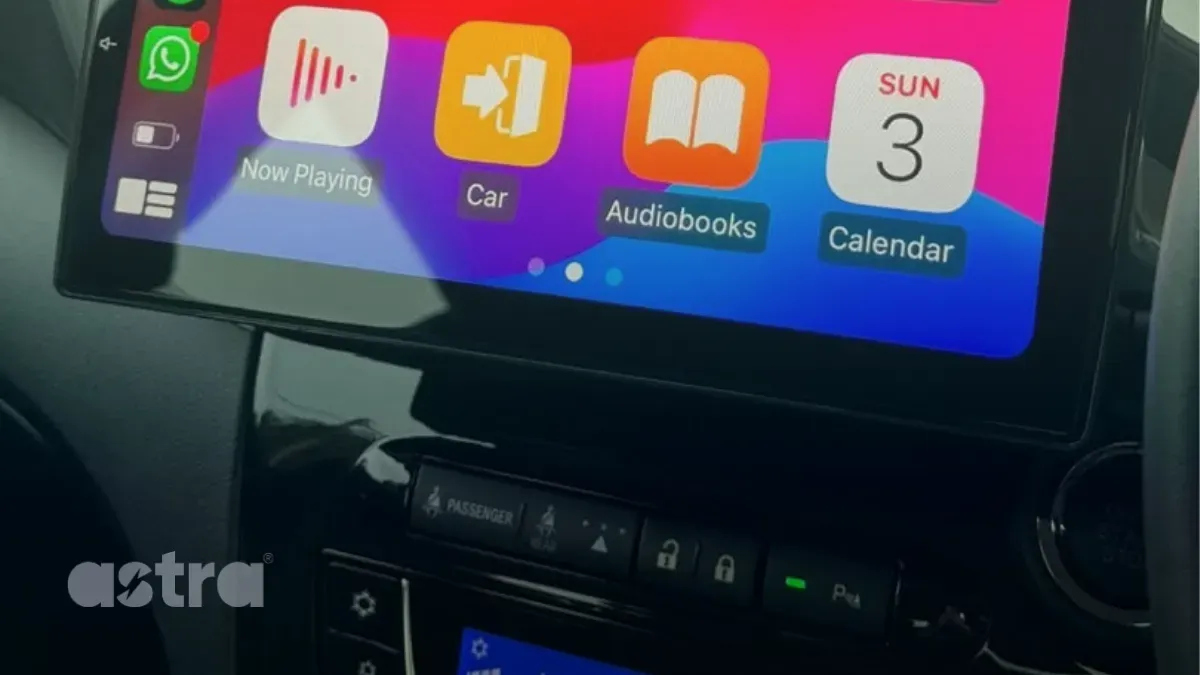
Today's vehicles contain far more electronic systems than older cars. Even after the engine is switched off, components such as:
- Keyless entry
- GPS tracking
- Dashcams
- Infotainment memory
- Telematics modules
- Security systems
continue consuming small amounts of power. Over time, these "parasitic loads" increase battery stress, especially if the vehicle is not driven regularly.
4. Faulty Charging System
Sometimes the battery is not the actual problem. A worn alternator, damaged voltage regulator, or loose charging cable may prevent the battery from charging correctly. Installing a new battery without fixing the charging issue often results in another battery failing prematurely.
5. Poor Battery Quality
Not all batteries are built to the same standard. Lower-quality batteries may use thinner lead plates, lower-grade materials, or have reduced reserve capacity, making them more susceptible to early failure. Choosing a battery that matches the vehicle's specifications is just as important as selecting a reputable brand.
6. Long Periods Without Driving
Leaving a vehicle unused for several weeks allows the battery to slowly discharge. Once the battery voltage drops too low, irreversible sulphation begins, permanently reducing its ability to hold a charge. This is especially common in:
- Weekend cars
- Seasonal vehicles
- Company fleet vehicles
- Spare vehicles
What Signs Show That a Battery Is Getting Weak Before It Dies?
Fortunately, most batteries provide warning signs before complete failure. Recognising these symptoms early allows drivers to replace the battery before being stranded.
1. Slow Engine Cranking
If the engine sounds slower than usual when starting, the battery may be losing its ability to deliver sufficient starting current. This is often the earliest indication of a weakening battery.
2. Dashboard Battery Warning Light
The battery warning light does not always indicate a faulty battery. It can also signal problems with the charging system, alternator, or electrical circuit.
3. Dim Headlights
Headlights that appear noticeably dim when idling or during engine startup may indicate low battery voltage. Electrical accessories may also operate slower than normal.

4. Clicking Sound When Starting
A rapid clicking noise when turning the ignition usually means there is insufficient battery power to engage the starter motor.
5. Battery Case Swelling
A swollen battery casing often results from excessive heat or overcharging.
Can You Extend Your Car Battery's Lifespan?
Yes. Simple habits can significantly improve battery longevity.
These include:
- Drive long enough for the alternator to recharge the battery.
- Avoid leaving lights or accessories switched on unnecessarily.
- Secure battery terminals and keep them clean.
- Check the charging system during routine servicing.
- Park under shade whenever possible.
- Test the battery before long-distance travel.
- Replace the battery before complete failure if testing shows declining performance.
Preventive maintenance is often much less expensive than emergency roadside assistance.
Why Battery Testing Is Better Than Guessing
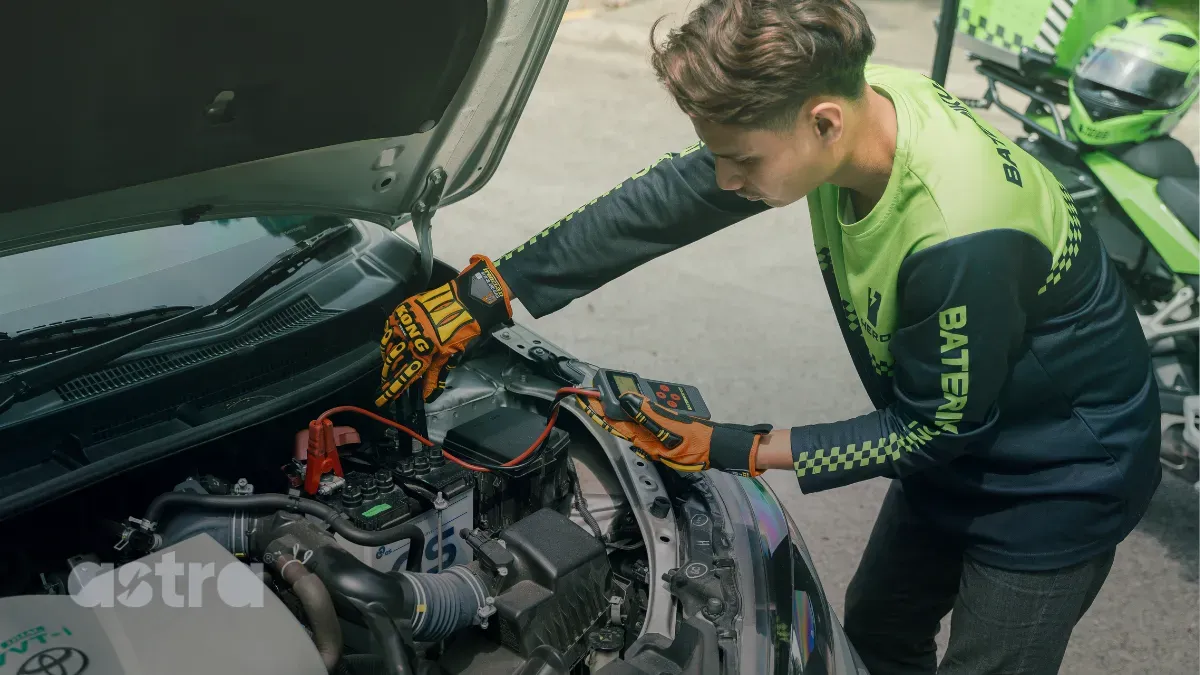
Battery age alone does not accurately indicate remaining life. A two-year-old battery may still perform perfectly, while a one-year-old battery could already be close to failure due to poor driving conditions or charging problems. Professional battery testing measures:
- Battery voltage
- Cold Cranking Amps (CCA)
- State of Health (SOH)
- Charging performance
- Overall battery condition
These tests provide a clearer picture of whether the battery should be replaced or if another issue is affecting vehicle performance.
For battery dealers and workshops, educating customers builds long-term trust. Instead of recommending replacement based solely on battery age, explain how driving habits, charging systems, climate, and electrical loads affect battery performance.
Offering battery health checks and charging system inspections alongside replacement services can help customers make informed decisions while reducing repeat failures caused by issues unrelated to the battery itself.
So, how long should a car battery normally last under daily use?
For most vehicles, 2 to 3 years is the expected lifespan, although quality batteries maintained under favourable conditions can last even longer.
If you're wondering why some batteries fail after 1 year while others last 2 to 3 years or longer, the answer usually comes down to driving habits, environmental conditions, charging system health, battery quality, and maintenance.
Most importantly, don't wait until your vehicle refuses to start. Learn what signs show that a battery is getting weak before it dies such as slow engine cranking, dim lights, frequent jump starts, or a swollen battery case and have it tested early.
If it's time to replace your battery, choose one that delivers both reliability and peace of mind. Astra batteries are SIRIM-certified, ensuring they meet recognised Malaysian quality and safety standards. Every Astra battery also comes with GPA Takaful coverage of up to RM7,000, providing added protection should the unexpected happen on the road. With Nationwide Warranty Assist, you can count on reliable support wherever your journey takes you across Malaysia.
Whether you're a daily commuter, fleet owner, workshop, or battery merchant, Astra Battery offers dependable battery solutions backed by quality, protection, and a trusted nationwide network. Choose Astra today and drive with confidence, knowing your vehicle is powered by a battery built to perform when it matters most.